
Blog
What is e-commerce ?
No Comments
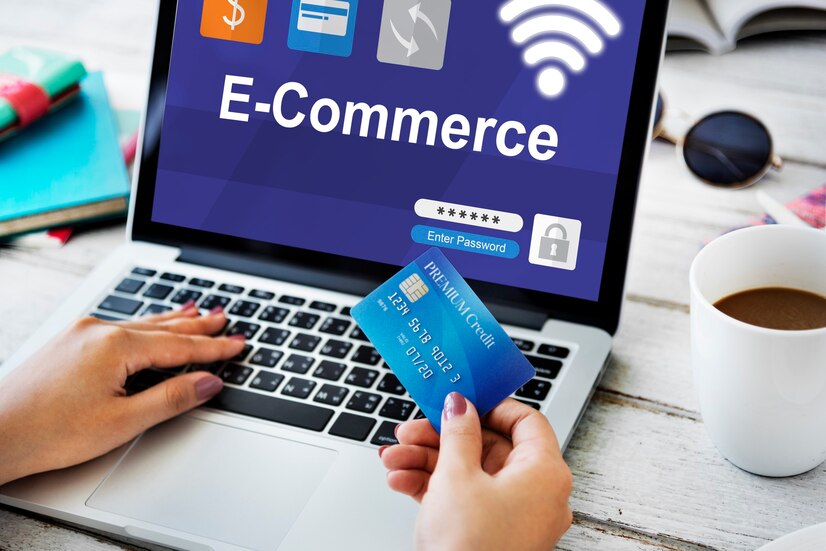
Title: The Evolution of E-Commerce: How Online Shopping is Shaping the Future of Business
In the past two decades, e-commerce has transformed from a niche novelty into a powerful force at the heart of global commerce. Once limited to a handful of online marketplaces selling books and CDs, today’s digital marketplaces span every possible product category, transcending borders and time zones. The rise of e-commerce isn’t just about convenience—it’s about shaping the future of how businesses connect with customers, manage supply chains, and deliver immersive brand experiences.
A Brief History of E-Commerce
E-commerce’s roots can be traced back to the mid-1990s, a time when dial-up internet and clunky desktop computers made browsing products online feel revolutionary. Early online pioneers like Amazon and eBay introduced the concept of online shopping, quickly winning consumers over with wider selections and price comparisons at the click of a button. By the early 2000s, retailers worldwide recognized that an online presence was no longer optional—it was essential.
Why E-Commerce Matters
- Global Reach: Physical stores are limited by geography and hours of operation. E-commerce, on the other hand, enables businesses to serve customers across continents, day and night. Whether it’s a local artisan craft store selling handcrafted jewelry to buyers in Europe or a direct-to-consumer clothing brand shipping worldwide, the digital marketplace knows no boundaries.
- Personalized Experiences: Modern e-commerce platforms leverage data analytics, artificial intelligence, and machine learning to tailor product recommendations and marketing messages to individual shoppers. This level of personalization not only increases conversions and loyalty but also creates a more enjoyable, intuitive shopping journey.
- Cost Efficiency: Compared to traditional brick-and-mortar setups, online businesses often have lower overheads. Without the need for extensive real estate or large in-store teams, many e-tailers can pass savings onto customers, driving competitive pricing and flexible return policies.
- Adaptability and Scalability: The online world moves fast. E-commerce businesses can pivot quickly, experimenting with new product lines, incorporating feedback, and scaling operations efficiently. Seasonal sales, influencer collaborations, and flash promotions can be executed in hours rather than weeks.
Key Trends Shaping Today’s E-Commerce Landscape
- Mobile Commerce (M-Commerce): Smartphones aren’t just for texting and social media anymore. More people now shop on their phones than on desktops, making mobile-optimized websites, intuitive navigation, and fast-loading pages indispensable for staying relevant.
- Social Commerce: Platforms like Instagram, TikTok, and Pinterest are increasingly becoming shopping destinations. By blending compelling content with embedded “buy” buttons, brands can transform social feeds into seamless e-commerce experiences, reaching audiences organically where they spend their digital time.
- Augmented and Virtual Reality (AR/VR): Online shopping used to be a one-dimensional experience—scroll, click, buy. Now, AR and VR technologies allow customers to virtually “try on” products, view furniture in their living rooms, or take a 360° tour of a hotel suite before booking. This innovation reduces uncertainty and returns, while boosting customer satisfaction.
- Sustainable and Ethical Commerce: Consumers are becoming more conscious of the ethical and environmental footprint of their purchases. In response, many online retailers highlight sustainable sourcing, eco-friendly packaging, and fair labor practices as part of their value propositions, thereby appealing to socially responsible shoppers.
- Subscription Models and Memberships: From meal kits to grooming products, subscription-based e-commerce models are on the rise. These offerings create a predictable revenue stream for businesses and simplify the shopping routine for customers, often leading to long-term brand loyalty.
Building a Successful E-Commerce Business
- Choose the Right Platform: Popular platforms like Shopify, WooCommerce, and BigCommerce offer robust tools, customizable templates, and integrations with payment gateways and inventory management systems. Selecting a platform that aligns with your business goals, budget, and technical skill set is critical.
- Focus on User Experience: Fast loading times, simple navigation, clear product descriptions, and high-quality product images encourage shoppers to stay on your site and complete their purchases. Don’t forget about mobile responsiveness and intuitive checkout processes—anything that introduces friction can drive customers away.
- Secure Payment and Data Privacy: With cyber threats on the rise, implementing trusted payment gateways and strong data protection measures is essential. Displaying security badges and offering multiple payment options (credit/debit cards, digital wallets, and even cryptocurrencies) can build customer trust and confidence.
- Invest in Marketing: Social media advertising, content marketing, search engine optimization (SEO), and influencer partnerships are just a few strategies to get your brand in front of potential buyers. Experiment with different channels and track your results so you can optimize and refine your marketing mix over time.
- Offer Exceptional Customer Service: Prompt responses to customer inquiries, hassle-free returns, and transparent communication build a reputation that can’t be beaten by price or convenience alone. After all, trust and service quality often determine if a one-time buyer becomes a loyal repeat customer.
The Future of E-Commerce
E-commerce is constantly evolving, shaped by emerging technologies and shifting consumer preferences. As artificial intelligence refines personalization, as AR/VR blurs the line between online and offline shopping, and as sustainability becomes a cornerstone of consumer decision-making, online retailers will need to remain agile, innovative, and customer-centric.
In an increasingly global and digital world, e-commerce isn’t just an option—it’s the future. By embracing technology, crafting unforgettable customer experiences, and staying attuned to market trends, businesses of all sizes can unlock the immense potential of online commerce. The landscape may be crowded, but for the brands that adapt and innovate, the opportunities are limitless.
The Types of e-commerce
Title: Exploring the Different Types of E-Commerce Models
In the digital age, e-commerce has emerged as more than just a buzzword—it’s a core element of modern business. But “e-commerce” is an umbrella term that covers a variety of business models, each with its own target audience, operational style, and growth potential. Understanding the different types of e-commerce helps businesses pick the right model for their goals and provides clarity for consumers navigating online marketplaces. Below, we’ll break down the most common e-commerce models and what sets them apart.
1. Business-to-Consumer (B2C)
Overview: This is the most recognizable form of e-commerce and the one that often springs to mind when people think of shopping online. B2C involves the direct sale of goods or services from businesses to the end consumer.
Examples: Online retailers like Amazon, apparel stores like Zara’s e-commerce site, digital subscription services like Netflix, and direct-to-consumer brands selling electronics or home goods.
Why It’s Popular: B2C stands out for its convenience, speed, and broad product selection. Consumers appreciate the ease of comparing prices, reading reviews, and receiving items right at their doorstep. For businesses, it offers a direct line to their audience, allowing them to build brand loyalty and tailor marketing efforts with data-driven insights.
2. Business-to-Business (B2B)
Overview: In the B2B model, companies sell products or services to other businesses rather than to individual consumers. This could involve wholesale transactions, procurement of supplies, software solutions, or professional services designed for corporate clients.
Examples: Wholesale suppliers like Alibaba, software-as-a-service (SaaS) providers like Salesforce, and manufacturers selling industrial components to factories or dealerships.
Key Characteristics: B2B transactions often involve bulk orders, longer sales cycles, and more complex negotiations. Pricing might be customized, and long-term relationships are common. The buying decision often involves multiple stakeholders and is driven by factors like efficiency, ROI, and supplier reliability rather than impulse or personal preference.
3. Consumer-to-Consumer (C2C)
Overview: This model connects individuals who want to buy and sell goods or services directly to each other. While the platform may be owned and operated by a third party, the actual transactions happen between consumers.
Examples: Online marketplaces such as eBay, Etsy (for handmade or vintage items), and Facebook Marketplace.
What Makes It Unique: C2C commerce democratizes selling, allowing anyone to become an online entrepreneur. It also encourages community-driven interactions where trust and user feedback (ratings, reviews) are critical. However, standardization and quality control can be challenges, as inventory quality and customer service depend on individual sellers.
4. Consumer-to-Business (C2B)
Overview: In a C2B environment, individual consumers create value that businesses purchase. This flips the traditional commerce model on its head—consumers are not just passive buyers; they can also be suppliers or service providers.
Examples: Freelance platforms like Upwork or Fiverr, where individuals offer their skills to companies; influencer marketing platforms where content creators get paid by brands.
The Benefits: For businesses, C2B arrangements can provide cost-effective, flexible access to talent and content. For consumers (in this case, individuals acting as service providers), it’s an opportunity to monetize skills, creativity, or audience reach.
5. Business-to-Government (B2G) or Business-to-Administration (B2A)
Overview: In B2G, companies supply products, services, or information to government agencies and public sector entities. This often involves a formal bidding and tender process.
Examples: IT service providers working with local municipalities, office equipment suppliers selling to government departments, and infrastructure firms building or maintaining public projects.
Complexities: B2G transactions often require compliance with strict regulations, procurement standards, and transparency measures. The sales cycle can be lengthy, but winning a government contract can lead to stable, long-term business.
6. Government-to-Business (G2B) and Government-to-Consumer (G2C)
While less commonly discussed in the context of e-commerce, governments also engage in transactions online.
- G2B: Governments provide services, data, or licenses to businesses through digital portals—think of tax filing services, industry certifications, or procurement platforms.
- G2C: Similarly, governments use e-commerce solutions to deliver public services directly to citizens, such as paying taxes online, renewing driver’s licenses, or applying for public benefits digitally.
7. Direct-to-Consumer (D2C)
Overview: While technically a subset of B2C, D2C is unique enough to stand out. Here, manufacturers or producers bypass traditional distribution channels—like wholesalers or retailers—and sell directly to the end consumer.
Examples: A jewelry designer selling directly through their own website, a craft brewery shipping its beer club memberships to homes, or a cosmetic brand launching a new skincare line on its proprietary e-store.
Advantages: The D2C model allows brands to control their customer experience from start to finish, gather first-party data, and maintain higher profit margins by cutting out intermediaries. It also enables brands to build stronger, more personal relationships with their consumer base.
8. Mobile Commerce (M-Commerce) and Social Commerce
While not standalone business relationship models, these channels have become influential in how transactions occur:
- M-Commerce: Buying and selling via mobile devices. This channel complements all above models—consumers can browse and purchase on the go, while businesses optimize sites and apps for mobile responsiveness.
- Social Commerce: Transactions facilitated by social media platforms. Businesses leverage platforms like Instagram, TikTok, and Pinterest to sell directly to consumers in a more engaging, community-driven setting.
Choosing the Right Model
Identifying the most suitable model depends on various factors, such as the nature of your products, target audience, pricing structure, and long-term business goals. For example, a tech startup might opt for a B2B model if it sells specialized software to corporations, while an artisan might lean toward B2C or C2C platforms to reach shoppers looking for unique, handcrafted items.
Scalability and integration are also key considerations. If you’re looking to expand internationally, understanding local consumer preferences, regulatory environments, and payment systems will guide whether a B2C or D2C model can easily scale, or if a B2B or G2B approach might be more lucrative.
Conclusion
The world of e-commerce is far more nuanced than just “online shopping.” Whether you’re browsing products on a retailer’s site, selling handcrafted goods on a marketplace, or winning a public sector tender, there’s an e-commerce model at work. By grasping these distinctions, businesses and consumers alike can navigate the digital marketplace with greater clarity and purpose.
How to start an e-commerce business?
Title: A Step-by-Step Guide to Starting an E-Commerce Business
In today’s digital era, starting an e-commerce business can be both a lucrative opportunity and a manageable endeavor—even for first-time entrepreneurs. With the right planning, tools, and commitment, you can launch an online store that taps into global markets, streamlines operations, and generates steady revenue. Below is a comprehensive guide to help you navigate this journey, from initial idea validation to your first sale and beyond.
1. Identify Your Niche and Market
Before diving into product sourcing or platform selection, start with strategic groundwork.
- Market Research: Study market trends, follow industry publications, and pay attention to social media conversations to identify gaps in the market.
- Competitive Analysis: Assess what your competitors are offering, their pricing strategy, and their unique selling points (USPs). Pinpoint what you can do differently—faster shipping, better quality, or a unique brand story.
- Target Audience: Clearly define who your customers are. Consider their age range, lifestyle, pain points, and shopping preferences. Understanding your ideal buyer will inform everything from product selection to marketing tone.
2. Validate Your Product Idea
It’s essential to confirm that people are interested in what you plan to sell.
- Surveys and Focus Groups: Ask potential customers for feedback. Surveys or online polls can quickly gauge interest, while focus groups provide more nuanced insights.
- Keyword Research: Use tools like Google Trends or Keyword Planner to see if people are searching for products like yours.
- Pre-Selling or Crowdfunding: For unique or innovative products, consider a small pre-sale run or a crowdfunding campaign. Early buyers—and their reactions—will validate demand before you invest heavily in inventory.
3. Develop a Business Plan
A solid business plan is your roadmap—it keeps you focused on goals, budgets, and milestones.
- Business Model: Decide if you’ll hold inventory, opt for dropshipping (no inventory), or use a marketplace like Amazon.
- Financial Projections: Estimate startup costs (web hosting, marketing, inventory), ongoing expenses, and anticipated revenue.
- Supply Chain Plan: Determine how you’ll source products, manage storage, and handle shipping. Consider local suppliers or overseas manufacturers and factor in shipping times and costs.
4. Choose a Legal Structure and Register Your Business
Select a business structure that makes sense for your operation, such as a sole proprietorship, limited liability company (LLC), or corporation. Consult a legal professional or use online resources for guidance. Then, register your business, apply for any required licenses or permits, and understand the tax obligations in your region.
5. Select a Reliable E-Commerce Platform
Your website and shopping platform form the backbone of your online store. Popular e-commerce platforms include:
- Shopify: User-friendly, all-in-one solution with hosting, payment processing, and countless app integrations.
- WooCommerce: A flexible, open-source plugin for WordPress offering customization and scalability.
- BigCommerce, Wix, or Squarespace: Ideal for beginners who want an easy setup process and pre-designed templates.
Focus on platforms that provide secure payment gateways, mobile-responsive themes, and robust customer support. Make sure the site is designed for easy navigation and fast loading speeds—key factors that encourage customers to stay and shop.
6. Set Up Your Product Catalog and Inventory System
Once your e-commerce site is chosen, it’s time to populate it with products and organize your inventory.
- High-Quality Product Images: Invest in professional photos or use high-resolution images that show products from multiple angles.
- Clear, Compelling Descriptions: Write honest, detailed descriptions that highlight features, benefits, and any unique attributes. Incorporate relevant keywords to improve search engine visibility.
- Inventory Management: Keep track of stock levels to prevent overselling or running out of popular items. Many e-commerce platforms include built-in inventory management tools or integrate with third-party solutions.
7. Implement Secure Payment and Checkout Options
Offer multiple payment methods—credit/debit cards, PayPal, Apple Pay, or even “buy now, pay later” options—to accommodate customer preferences. Partner with trusted payment gateways to protect sensitive information. Make sure your checkout process is as simple and frictionless as possible, minimizing the number of steps to complete a purchase.
8. Develop a Marketing and Branding Strategy
A strong brand and a well-executed marketing plan set you apart in a crowded marketplace.
- Brand Identity: Create a memorable logo, choose consistent color schemes, and develop a unique brand voice that resonates with your target audience.
- Content Marketing: Write blog posts, create tutorials, or produce videos that showcase your expertise and help customers use your products effectively. Valuable content builds trust and encourages return visits.
- Social Media and Email Marketing: Promote new products, share testimonials, and run sales campaigns through platforms like Instagram, Facebook, and TikTok. Grow your email list to nurture leads and keep existing customers informed about deals and updates.
9. Leverage SEO and Paid Advertising
Search engine optimization (SEO) helps your site rank higher in Google searches, driving organic traffic without constant ad spend.
- On-Page SEO: Include relevant keywords in product titles, descriptions, meta tags, and image alt tags.
- Content Strategy: Regularly post high-quality, original content to attract backlinks and improve domain authority.
- Paid Advertising: Use Google Ads, Facebook Ads, or influencer partnerships to increase brand awareness. Track key metrics like click-through rates (CTR), conversion rates, and return on ad spend (ROAS) to optimize campaigns over time.
10. Provide Exceptional Customer Service
Great customer service turns one-time buyers into loyal advocates.
- Prompt Responses: Answer customer queries quickly, whether through email, live chat, or social media channels.
- Hassle-Free Returns: Clearly state your return and refund policies. Easy returns build trust and encourage more frequent purchasing.
- Personalization: Send product recommendations based on past purchases. Personalized emails and follow-ups make customers feel valued.
11. Analyze Performance and Optimize
Your e-commerce business should evolve based on data and customer feedback.
- Analytics Tools: Use Google Analytics and platform-specific dashboards to track traffic sources, sales, conversion rates, and average order value.
- A/B Testing: Test different site layouts, product images, or call-to-action buttons to see what resonates most with customers.
- Continuous Improvement: Adjust strategies based on insights. If customers drop off at checkout, simplify the checkout process. If a product isn’t selling, tweak the listing or offer a discount.
12. Consider Scaling Strategies
As your store grows, look for ways to streamline operations and increase revenue:
- Inventory Automation: Automate reorders when stock is low to prevent stockouts or dead stock.
- New Sales Channels: Consider listing products on additional marketplaces like Amazon or eBay, or expanding into new countries.
- Team Expansion: Hire virtual assistants, customer service reps, or marketing specialists to handle growing workloads.
Conclusion
Starting an e-commerce business involves more than setting up a website—it requires careful planning, market understanding, compelling branding, and a commitment to ongoing optimization. By following these steps and continually refining your approach, you’ll position your online store for sustainable growth and long-term profitability.
With patience, a willingness to learn, and a focus on delivering value to your customers, your e-commerce venture can transform from a simple idea into a thriving digital enterprise.
European e-commerce companies websites
Title: Top European E-Commerce Websites Worth Exploring
Europe’s e-commerce landscape is incredibly diverse, reflecting the continent’s multitude of cultures, languages, and consumer preferences. From international fashion giants to niche marketplaces and cutting-edge tech retailers, European online shopping destinations cater to virtually every need. Below are some notable European e-commerce websites that not only stand out in their home markets but have gained recognition across the continent and beyond.
1. Zalando (Germany)
Website: www.zalando.com
What They Offer: Zalando is one of Europe’s largest fashion and lifestyle platforms, offering an extensive range of clothing, footwear, accessories, and beauty products. Known for its easy navigation, free shipping and returns, and localized shopping experiences, Zalando caters to consumers in numerous European countries with region-specific sites and services.
2. ASOS (United Kingdom)
Website: www.asos.com
What They Offer: ASOS started in the UK and swiftly became a global fashion powerhouse. With thousands of brands and its own private labels, ASOS focuses on younger audiences looking for trending styles at various price points. The site’s user-friendly interface, flexible return policies, and frequent promotions make it a go-to destination for fashion-forward shoppers across Europe.
3. Bol.com (Netherlands)
Website: www.bol.com
What They Offer: Bol.com is the Netherlands’ premier online marketplace. While initially known for books and entertainment, it has expanded into electronics, home goods, toys, and more. With a reputation for excellent customer service, robust product reviews, and fast shipping, Bol.com is a staple for Dutch and Belgian consumers.
4. Fnac (France)
Website: www.fnac.com
What They Offer: Fnac is a leading French retailer known for its selection of electronics, books, music, video games, and cultural products. Its website provides detailed product information, user-generated ratings, and exclusive member deals. Fnac’s integrated online and offline ecosystem enhances convenience, appealing to shoppers who value a seamless omnichannel experience.
5. MediaMarkt (Germany)
Website: www.mediamarkt.de (German Site)
What They Offer: A prominent European electronics retailer, MediaMarkt has both physical stores and an expansive online presence. Its e-commerce platform offers a wide variety of tech gadgets, home appliances, computers, and consumer electronics at competitive prices. Their click-and-collect feature and frequent discounts attract tech-savvy consumers across the continent.
6. Allegro (Poland)
Website: www.allegro.pl
What They Offer: As Poland’s largest online marketplace, Allegro connects millions of buyers and sellers. Product categories run the gamut—from fashion and electronics to automotive parts and home décor. Allegro’s strong reputation, secure payment options, and localized approach have helped it remain a dominant e-commerce force in Central and Eastern Europe.
7. El Corte Inglés (Spain)
Website: www.elcorteingles.es
What They Offer: Originating as a traditional department store, El Corte Inglés has a strong online platform featuring clothing, groceries, electronics, home items, and luxury goods. Its e-commerce site emphasizes quality and service, complete with home delivery, gift wrapping, and personalized recommendations, making it a preferred digital shopping destination in Spain.
8. Galeries Lafayette (France)
Website: www.galerieslafayette.com
What They Offer: This iconic French department store provides a high-end online shopping experience. Customers can browse luxury fashion and beauty brands, gourmet foods, and exclusive designer collaborations. Known for its fashion heritage and premium customer service, Galeries Lafayette’s website caters to those seeking a more upscale and curated selection.
9. Otto (Germany)
Website: www.otto.de
What They Offer: Originally a mail-order catalog business, Otto evolved into one of Germany’s largest online retailers. Its platform offers an enormous range of products including fashion, electronics, furniture, and garden equipment. With flexible financing options, dependable delivery, and a user-friendly interface, Otto remains a popular choice among German shoppers.
10. Tesco (United Kingdom)
Website: www.tesco.com
What They Offer: Although Tesco is best known as a British supermarket chain, its online grocery site has become a key resource for UK shoppers seeking convenience, competitive prices, and same-day delivery options. From everyday groceries and household essentials to clothing and electronics, Tesco’s comprehensive offering has reshaped how Britons shop online.
Conclusion:
Europe’s e-commerce environment is as varied and vibrant as the continent itself. While some sites focus on luxury goods and curated experiences, others prioritize breadth of selection, technological innovation, or unbeatable convenience. Whether you’re seeking the latest fashion trends, state-of-the-art electronics, or gourmet treats, European online retailers provide a wealth of options, all accessible at the click of a button. For consumers, this diversity means more choice, better service, and an increasingly user-friendly shopping experience that keeps pushing the boundaries of what’s possible online.
Some common applications related to electronic commerce are:
- B2B e-commerce (business-to-business)
- B2C e-commerce (business-to-consumer)
- Conversational commerce: e-commerce via chat
- Digital Wallet
- Document automation in supply chain and logistics
- Electronic tickets
- Enterprise content management
- Group buying
- Instant messaging
- Internet security
- Online auction
- Online banking
- Online office suites
- Online shopping and order tracking
- Online transaction processing
- Pretail
- Print on demand
- Shopping cart software
- Social networking
- Teleconference
- Usenet newsgroup
- Virtual assistant
- Domestic and international payment systems

